



Morning adhkar consist of prescribed daily dhikr and duas from the Sunnah, recited after Fajr to seek Allah protection and blessings at the start of the day. recitations include Ayat al Kursi and the protective surahs, which offer peace and safeguard. At dailysalamdua, we provide these authentic morning adhkar with verified references to help you build a consistent practice and deepen your faith.
What is Morning Adhkar
Morning adhkar are specific remembrances and supplications taught by the Prophet Muhammad ﷺ to recite daily after Fajr until sunrise. These include verses like Ayat al Kursi, Surah Ikhlas three times and phrases praising Allah. They seek protection forgiveness and blessings to start the day in remembrance of Allah. From my own routine, reciting morning adhkar brings a deep sense of calm and strength throughout the day.
Definition and Meaning
Morning adhkar refer to the specific remembrances and supplications that Muslims recite after Fajr prayer until sunrise. These include adhkar sabah, morning azkar, morning athkar, athkar sabah and athkar al sabah. They form part of daily adhkar taught by the Messenger of Allah ﷺ.
Many people also call them morning dhikr or morning dua. The word “adhkar” means remembrances of Allah. When we say these words, we remember Allah, praise Him and seek His help. The Messenger of Allah ﷺ said that these remembrances bring great rewards.
They help us start the day with faith. We affirm that all sovereignty belongs to Allah. We say that the heavens and the earth belong to Him. Nothing happens except Allah allows it. These words remind us that Allah is sufficient for us.
In simple terms, morning adhkar are short phrases from the Quran and Sunnah. We repeat them a certain number of times in the morning. They cover praise, seeking forgiveness and asking for protection. Many include saying three times in the morning or more.
Importance in Daily Life
Starting your day with morning adhkar brings peace and barakah. The Prophet ﷺ never missed them. He taught them to his companions so they could stay close to Allah. When we recite morning and evening adhkar, we follow the Sunnah directly.
These include both morning and in the evening recitations. Doing them every morning and evening builds a strong shield of protection. The rewards are huge. For example, some phrases recited three times every morning protect until evening. Others said 100 times before sunrise and 100 times before sunset bring forgiveness.
In busy lives, morning dua and morning dhikr give quick moments to connect with Allah. They remind us that whatever is in the heavens and whatever is on the earth belongs to Him. This helps us face the day with trust. Many hadiths show that the Messenger of Allah ﷺ used these words himself. He encouraged saying them for well being in this world and the next. They help remove worries and bring ease.
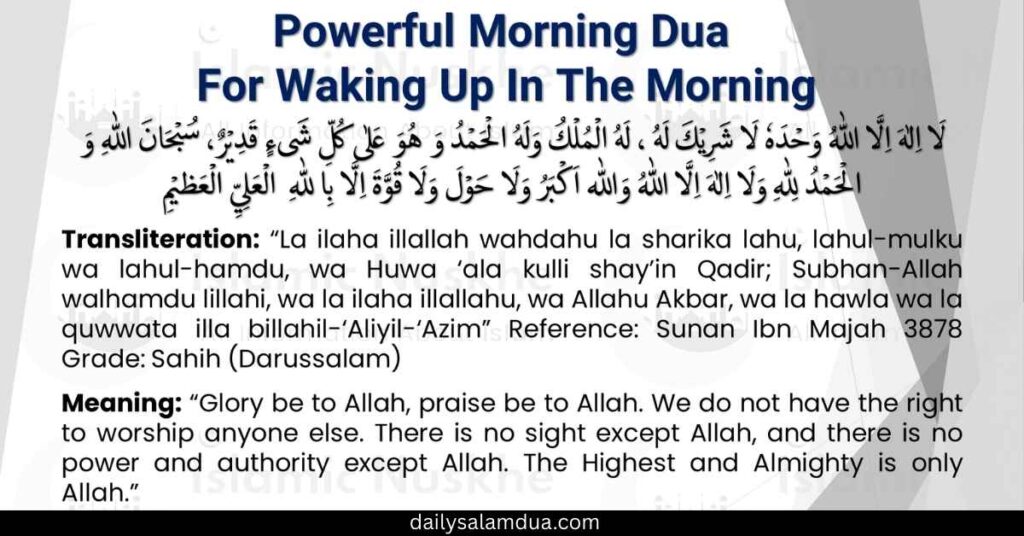
When to Recite Morning Adhkar
Time Frame After Fajr
The best time for morning adhkar starts after Fajr prayer. It lasts until sunrise. Some can continue a bit longer, but starting early brings more reward. The Prophet ﷺ taught specific words when we have reached the morning. We say them as the day begins.
This timing matches when angels change shifts and record our deeds. Many authentic narrations mention reciting certain phrases times every morning and evening. For protection, say them before the sun rises fully.
Integration with Morning Routine
Make morning adhkar part of your daily habits. After Fajr sit on your prayer mat and recite them calmly. This sets a positive tone for the day. You can say them while getting ready or commuting. The key is consistency.
Even if short on time, cover the main ones like Ayat al Kursi and the three Quls. Pair them with other acts like drinking water or eating breakfast. Over time, they become natural. Many find that morning remembrance brings calmness throughout the day.
Components of Morning Adhkar
Recitation of the Quran
Reciting parts of the Quran forms a core part of morning adhkar. The most common are Ayat al Kursi and the three Quls: Surah al Ikhlas, al Falaq and an Nas. These verses remind us of Allah’s greatness. Ayat al Kursi describes how Allah belongs all power.
His knowledge extends over the heavens and earth. No one can intercede with Him except by His permission. The Prophet ﷺ encouraged reciting them three times in the morning. This brings protection from harm.
| Ayat al Kursi (Part) | الله لا إله إلا هو الحي القيوم | Allahu la ilaha illa huwa alhayyu alqayyum | Allah there is no deity except Him, the Ever Living, the Sustainer of existence. |
| Surah al Ikhlas | قل هو الله أحد | Qul huwa Allahu ahad | Say, “He is Allah, [who is] One. |
| Surah al Falaq | قل أعوذ برب الفلق | Qul aAAoothu birabbi alfalaq | Say, “I seek refuge in the Lord of daybreak. |
| Surah an Nas | قل أعوذ برب الناس | Qul aAAoothu birabbi annas | Say, “I seek refuge in the Lord of mankind. |
Dhikr Phrases
Dhikr means remembering Allah with simple words. Common ones include SubhanAllah, Alhamdulillah and Allahu Akbar. The Prophet ﷺ taught phrases like “La ilaha illallah wahdahu la sharika lah” said certain times. These affirm tawhid. Many include counting on fingers for accuracy. Phrases like praise Allah 100 times bring forgiveness of sins.
| SubhanAllah wa bihamdihi | 100 times | Allah will forgive the sins even if they are as much as the foam of the sea. |
| La hawla wa la quwwata illa billah | Often | Treasure from Paradise. |
| Alhamdulillah | Many times | Fills the scale on Judgment Day. |
Dua Supplications
Dua are personal pleas to Allah. In morning dua, we ask for protection, health and guidance. Key ones include asking for the goodness of this day. We seek refuge from harm and laziness. Sources come from authentic hadiths in books like Hisnul Muslim.
| Allahumma bika asbahna | O Allah, by Your leave we have reached the morning. | Authentic narration |
| Radiytu billahi rabba | I am pleased with Allah as my Lord. | From Sunnah |
| A’udhu billahi min ash shaytan | I seek refuge in Allah from Satan. | Quran and Hadith |
Specific Morning Adhkar Duas
Ayat al Kursi
Ayat al Kursi holds the place as the greatest verse in the entire Quran. The Messenger of Allah ﷺ highlighted its unique status. It paints a clear picture of Allah unmatched power and knowledge. The verse explains that Allah throne extends over the heavens and earth. He guards and preserves everything without any tiredness.
His authority covers whatever is in the heavens and whatever is on the earth. No one can intercede with Him except by His leave. Reciting Ayat al Kursi after every prayer and in morning adhkar brings special protection. An authentic hadith states that a guardian angel stays with the reciter until evening.
Many include it three times in the morning for stronger effect. This verse strengthens faith in tawhid. It reminds us that true control belongs to Allah alone. Starting the day with it brings peace and safety from harm.
3 Quls (Surah al Ikhlas, al Falaq, an Nas)
The three Quls stand out for their short length yet powerful protection. The Messenger of Allah ﷺ recited them regularly. He advised saying each three times in the morning and evening. Surah al Ikhlas focuses purely on Allah’s oneness. It rejects any partners and describes Him as eternal. This affirms the core of religion of Islam.
Surah al Falaq asks refuge from evils in creation like magic, envy and darkness. Surah an Nas seeks safety from whispers of jinn and people. Together they cover internal and external threats. The Prophet ﷺ called them sufficient for all needs. Many feel calm after reciting them as part of morning and evening adhkar.
| al Ikhlas | 3 times | From shirk |
| al Falaq | 3 times | From magic and envy |
| an Nas | 3 times | From jinn and people |
Sayyidul Istighfar
Sayyidul Istighfar earns the title of master seeking of forgiveness. The Messenger of Allah ﷺ said whoever says it with certainty in the day and dies enters Paradise. It begins by acknowledging Allah as my Lord and Creator. We declare no deity except Allah. We admit our shortcomings and regret sins.
Then we ask Allah to forgive and have mercy. Sincere recitation wipes away mistakes. Many make it a daily habit in morning dua. This supplication combines tawhid, repentance and hope in Allah’s mercy. It fits perfectly in daily adhkar.
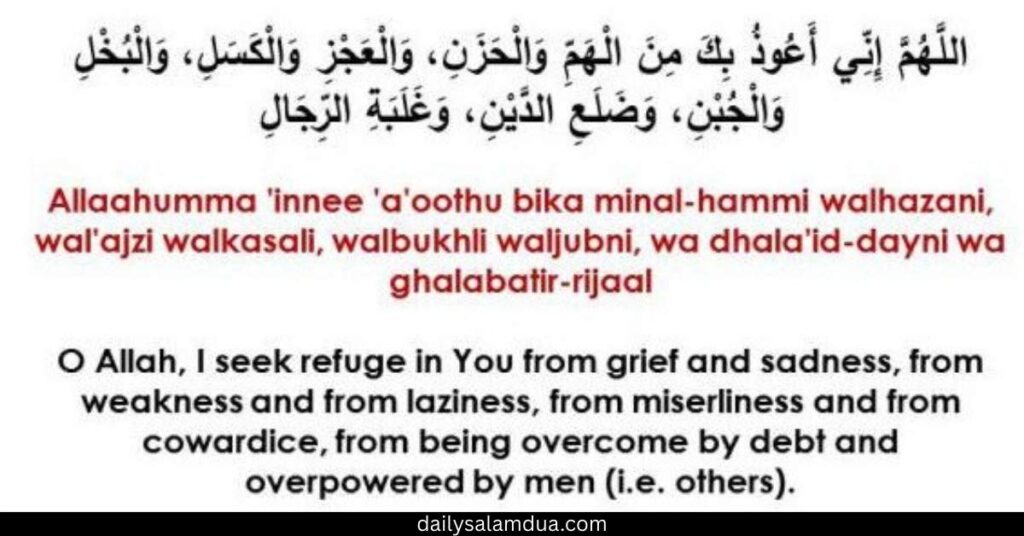
Dua for Protection from Anxiety, Laziness and Debts
This powerful plea asks Allah to lift worry, grief, helplessness and laziness. It also seeks relief from debt burdens. The words come from authentic narrations. Reciting it brings ease in affairs. Many notice reduced stress after regular use. It addresses common daily struggles. Including it in morning adhkar sets a strong foundation.
Dua for Well Being in This World and the Hereafter
Here we specifically ask for health in body, hearing and sight. We seek overall well being in this world and salvation in the next. This balances worldly and spiritual needs. It reminds us to seek goodness in both lives.
Dua to Protect from Four Evils
This covers major fears: punishment of the grave, Hell fire, trials of living and dying and false messiah’s deception. Short yet complete, it seeks refuge from tests that shake faith.
Entrust Matters to Allah
This beautiful phrase places complete trust in Allah. We rely on the Ever Living who never dies and never sleeps. Allah is sufficient as protector and helper for every need. The Messenger of Allah ﷺ taught this to build strong tawakkul. When we say it in morning adhkar, we hand over worries to Him.
It reminds us that no plan succeeds without His will. Many repeat it during hard moments. The words bring quiet confidence. We know Allah handles what we cannot. This reliance fits naturally in daily adhkar and morning dua.
Obligation to Thank Allah
Gratitude stands as a basic duty for every believer. These special words express thanks to Allah for obvious blessings and hidden ones we often miss. Health, family, faith and even breath come from Him. Saying gratitude phrases meets our obligation to thank Allah.
Authentic hadiths show that gratitude brings more favors. When included in morning and evening adhkar, it starts and ends the day right. Hearts feel lighter. Blessings grow when we notice and thank.
Renewing Tawhid
Short powerful lines refresh our belief daily. Phrases like witness that You are Allah alone with no partner strengthen the foundation of faith. They protect against small doubts and keep focus clear. The Prophet ﷺ encouraged repeating them every morning and evening. In busy routines, these words bring us back to the truth of religion of Islam. They confirm we have surrendered to Allah fully.
Praise Allah
Praise Allah again and again carries rewards beyond count. One strong form recited 100 times wipes away sins even if they match the foam on the sea.
Another version sends good deeds that fill the heavens and earth. The Messenger of Allah ﷺ loved these praises and made them regular. Many add them after Fajr for extra light. Simple yet heavy on the scales.
| SubhanAllah wa bihamdihi 100 times | Sins forgiven like sea foam |
| Alhamdulillah rabbil alamin | Great reward |
Ask Allah for a Good Day
This direct plea asks for the goodness of this day in full. We seek its victory, its light, its blessing and its right guidance. The words cover every aspect of the hours ahead. Work, family, health and faith all fall under this request. Saying it after Fajr directs the day toward barakah from the start.
Ask Allah to Bless Your Day
A close companion to the previous plea. Here we ask Allah to bless the day with ease, success and acceptance. It invites divine help in small and big tasks. Many notice smoother flow when they make this request sincerely.
Freedom from Hell Fire
Certain powerful recitations bring amazing promises. Some words cause Allah frees half the body from fire. Others lead to Allah frees three quarters. Full consistent sets aim for complete safety. The Messenger of Allah ﷺ shared these glad tidings to encourage us. Protection grows with each sincere repetition in morning adhkar.
Upon Entering the Morning
We openly declare that we have reached the morning and all kingdom belongs to Allah. Praise goes to Him and the dominion of heavens and the earth rests with Him. This statement recognizes His control each new day. It matches the evening version perfectly for full coverage. Many say it first thing after waking to set the right mindset.
Ask Allah for Good Health and Protection
This plea seeks afiyah that covers body, mind and faith. We ask for strength in senses and overall wellness. Physical and spiritual safety both matter. The Prophet ﷺ often requested this type of complete well being.
Allah Will Suffice You in Everything
Allah will suffice against every worry, enemy and need. He stands as the best disposer of affairs. Repeating this builds inner peace. No matter the challenge, Allah takes care of His servants. It forms a strong part of morning and evening adhkar for daily strength.
Prophet’s Intercession and Entry to Paradise
Sending peace and blessings on the Prophet 10 times in the morning brings his intercession. Many authentic hadiths promise Paradise entry and his company. The reward continues when repeated in the evening. Simple salawat carries this huge honor. Love for the Messenger of Allah ﷺ grows with each sending.
Protection from All Harm
We say in the name of Allah with whose name nothing harms on earth or in sky. He is the Hearing the Knowing. Recite three times in the morning for shield until evening. The Prophet ﷺ taught this exact wording for safety. No harm touches with Allah’s permission when we remember Him this way.
Sins Forgiven
Faithful phrases lead to Allah will forgive the sins fully. Some cover mistakes as vast as sea foam or more. Mercy flows with each remembrance. Regular practice keeps the heart clean.
Tasbih, Tahmid and Takbir
We glorify Allah with SubhanAllah. We praise with Alhamdulillah. We declare greatness with Allahu Akbar. Common counts start at 33 each after prayer and extend in morning remembrance. Many use fingers or beads for easy tracking. This basic act fills the day with light and multiplies rewards quietly.
| Tasbih | 33 or more | Great reward |
| Tahmid | 33 | Thanks to Allah |
| Takbir | 34 | Allah’s greatness |
Seek Forgiveness and Repent
Istighfar removes burdens and opens provision. Turning to Allah with regret brings instant mercy and relief. Morning sets the perfect time to clean yesterday’s slips and start fresh.
Four Phrases That Outweigh Other Dhikr
Four special combinations hold weight heavier than hours of other remembrance on Judgment Day. They mix declaration of Allah’s perfection, tawhid and praise. The Prophet ﷺ highlighted their value. Short in words yet massive in reward, they fit easily into morning dhikr.
Benefits and Virtues of Morning Adhkar
Protection and Peace
Morning adhkar offer real safety that touches every part of life. The Messenger of Allah ﷺ taught these words so we stay guarded from seen and unseen dangers. When someone recites adhkar sabah or morning azkar regularly, protection follows them through the day.
Hadiths promise that angels watch over the person until evening. Phrases like in the name of Allah with whose name nothing harms build a barrier against evil. Many say morning athkar or athkar sabah and notice fewer worries.
This shield covers whatever is on the earth and beyond. Recite key lines three times in the morning for full effect. Allah will suffice against enemies and fears. Peace settles in the heart naturally. Morning dhikr reminds us all power belongs to Allah. A calm start with morning dua carries through busy hours.
Rewards and Forgiveness
Morning adhkar bring rewards that pile up quickly. Some lines said 100 times before sunrise erase sins completely. Others match the reward of freeing slaves. The Messenger of Allah ﷺ shared glad news about high Paradise ranks. Praise Allah 100 times wipes mistakes away. Allah will forgive the sins of whoever stays consistent.
Salawat 10 times in the morning secures intercession. Portions of fire freedom come like Allah frees half the body. These promises motivate daily effort. Morning and evening adhkar quietly multiply deeds. Short daily adhkar become heavy on Judgment Day scales.
Connection with Allah
Morning adhkar strengthen the direct link to Allah every single day. Lines like witness that You are Allah refresh pure faith. Remember Allah with morning dhikr keeps Him close in thought. This bond brings comfort and clear guidance. Morning dua opens the soul wide. We affirm Allah as my Lord and only helper. Closeness grows with each word. Morning remembrance turns ordinary moments into quiet worship.
Morning Adhkar in English
Translations and Transliterations
English helps everyone join morning adhkar without language barriers. Transliteration shows exact sounds. Translations give full sense. Morning declarations say we have reached the morning and kingdom belongs to Allah. Protection words use name of Allah with whose nothing harms. Forgiveness pleas begin with Allah alone. Gratitude lines meet obligation to thank Allah. Side by side formats make learning smooth.
| Morning entry | Asbahna wa asbaha almulku lillah | We have reached the morning and sovereignty belongs to Allah |
| Protection | Bismillah alladhi la yadurru ma’a ismihi shay’ | In the name of Allah with whose name nothing harms |
| Istighfar opener | Allahumma anta rabbi la ilaha illa ant | O Allah You are my Lord none has the right to be worshipped except You |
Morning Adhkar Dua
Complete List of Duas
Morning adhkar dua include verses and supplications for full coverage. Start with Ayat al Kursi and three Quls three times every morning. Follow with Sayyidul Istighfar for deep forgiveness. Add protection from anxiety and four evils. Ask Allah to bless the day and request its goodness of this day.
Declare reached the morning and rely on Allah is sufficient. Send salawat 10 times in the morning for intercession. Express thanks to Allah and praise Allah 100 times. Finish with tasbih counts. Together they form strong daily armor.
| Quranic protection | 3 times | After Fajr |
| Forgiveness master | Once daily | With certainty |
| Daily entry | Once | Morning start |
| Salawat | 10 times | Intercession reward |
Morning and Evening Adhkar
Similarities and Differences
Morning and evening adhkar overlap in core parts. Both use Ayat al Kursi, three Quls and forgiveness pleas. Protection and praise stay the same.
Morning versions say reached the morning. Evening changes to reached the evening. Some rewards tie to morning or evening timing. Morning prepares for daylight activity. Evening readies for night rest.
Combined Daily Practice
Doing morning and evening adhkār together gives round the clock safety. Morning covers until evening. Evening guards through sleep. Regular pairing builds steady habits and full benefits.
Morning Adhkar PDF
How to Access Printable Versions
Search trusted Islamic sources for morning adhkar PDF files. Many offer free clean layouts. Print and keep near prayer space for quick reference.
Morning and Evening Adhkar PDF
Full Guides for Download
Complete PDFs for morning and evening adhkar gather everything in one place. They list morning sets with words like reached the morning and evening versions that say reached the evening. Both include shared parts like Ayat al Kursi, three Quls and forgiveness pleas.
Reliable collections add Arabic text, transliteration and English meaning side by side. Many mention exact repetitions such as three times in the morning or 100 times before sunrise. Sources from authentic hadiths appear clearly.
People download these for easy daily support. Keep a copy on phone or print for prayer area. Trusted Islamic publishers offer clean versions without extras. Full guides help when traveling or away from books. They cover morning dua and evening supplications completely.
Morning Adhkar YouTube
Recommended Audio Recitations
YouTube holds many calm morning adhkar audio tracks. Gentle voices recite slowly so listeners follow word by word. Channels focus on clear pronunciation and peaceful background. Some play only the Arabic while others add transliteration on screen. Listening helps memorize flow naturally. Many start their day with these while getting ready. Audio versions suit busy routines. Search for authentic collections to match Sunnah order. Repeated play builds familiarity over time.
Morning Adhkar Omar Hisham
Popular Reciter’s Versions
Omar Hisham shares beautiful morning adhkar recordings that touch the heart. His soft clear voice brings out the meaning of each word. Many choose his versions for daily listening. The calm delivery makes following along easy and pleasant. He covers full sets including morning dhikr and protection phrases. Listeners often feel peace after playing his recitations. His style fits morning quiet perfectly. Videos gain wide appreciation for purity and beauty.
Morning Adhkar IslamQA
Scholarly Rulings and Advice
Trusted sites provide authentic details on morning adhkar. Scholars explain which hadiths support each phrase and repetition. They answer common questions about timing after Fajr and flexibility. Guidance covers saying them in Arabic or understanding meaning.
Rulings confirm rewards like protection until evening. Advice includes best order and sincere focus. These sources help avoid mistakes and build correct habits. Clear answers support consistent practice.
Morning Remembrance
Daily Integration Tips
Turn morning remembrance into steady quiet habit. Stay seated right after Fajr prayer and recite slowly with full attention. Speak each word clearly and feel its sense. Use fingers to count repetitions like three times every morning.
Set gentle phone alerts at first. Place a small card nearby as reminder. Pair with morning drink or sunlight. Over weeks it becomes natural part of waking. Short sessions still bring full benefit when done sincerely.
Thanks to Allah in Morning Adhkar
Gratitude Expressions
Several lines directly give thanks to Allah for blessings big and small. They recognize health, safety, faith and daily favors. These expressions meet our obligation to thank Allah completely. Saying them opens more mercy and increase. Gratitude words fit smoothly in morning dua. Hearts lighten when we count what Allah provides each day. Regular practice builds content spirit. Praise Allah joins thanks for complete morning start.
Seven Times Recitations
Specific Duas Repeated Seven Times
Certain powerful words carry special reward when said seven times. One strong plea relies fully on Allah for needs. The phrase Hasbiyallahu la ilaha illa huwa brings help from worldly matters and matters of the hereafter. The Messenger of Allah ﷺ taught this repetition for acceptance. Many say it after Fajr for daily ease. Sincere focus multiplies benefit. Short yet deep, it fits any morning adhkar routine.
| Hasbiyallahu la ilaha illa huwa alayhi tawakkaltu wa huwa rabbul arshil azeem | Seven | Needs met by Allah in this life and the next |
Frequently Asked Questions
What is morning adhkar?
Morning adhkar, also known as adhkar sabah or morning azkar, refers to specific remembrances and supplications from the Quran and Sunnah recited daily. These acts of morning dhikr help start the day with blessings of Allah and protection. I have felt a real sense of peace in my life with Allah after making morning adhkar a habit.
What does morning adhkar mean?
Morning adhkar means the prescribed remembrances said upon morning to affirm reliance upon Allah and seek His protection. Allah says in the Quran to glorify Him morning and evening. It strengthens worshipping Allah and brings contentment in life and the hereafter.
What are morning adhkar?
Morning adhkar are a collection of duas like Ayat al Kursi, Surah Ikhlas three times and phrases such as SubhanAllah wa bihamdihi. Also called athkar al sabah or morning athkar, they overlap with morning and evening adhkar but include specific morning duas. The Messenger of Allah ﷺ taught these for daily adhkar.
When to do morning adhkar?
The best time to do morning adhkar is after Fajr prayer until sunrise. This period allows focus on dhikr as the day begins. Many say it in the morning upon waking to connect with Allah.
When should morning adhkar be read?
Morning adhkar should be read ideally between Fajr and sunrise for full reward. Scholars note it can extend until midday if missed. Consistency in reciting morning and 10 times certain phrases brings blessings.
Until when morning adhkar?
Morning adhkar ideally lasts until sunrise, but opinions extend it until noon or zawal. If missed, recite later as it still counts toward protection. Allah has promised rewards for those consistent.
Can you do morning adhkar after sunrise?
Yes, you can do morning adhkar after sunrise, though the preferred time is before. Many scholars allow it until midday for the virtues. It still offers safeguard as the Prophet ﷺ encouraged persistence.
Is morning and evening adhkar the same?
Morning and evening adhkar share many supplications like Ayat al Kursi and Mu’awwidhat three times in the evening or morning. Some differ slightly in wording like entering morning upon certain phrases versus evening. Overall, morning evening adhkar provide similar protection.
What to say in morning adhkar?
In morning adhkar, say Ayat al Kursi, Surahs Ikhlas, Falaq and Nas three times and La ilaha illallah wahdahu… 10 times in the evening or morning. Include SubhanAllah wa bihamdihi 100 times. These surpass other deeds on the day.
How to do morning adhkar?
Recite morning adhkar quietly with presence of heart after Fajr, facing Qiblah if possible. No wudu required, as the Messenger of Allah ﷺ remembered Allah in all states. Start with morning dua for forgiveness and protection unto Allah belongs all sovereignty.
Morning Adhkar: A Daily Spiritual Practice
Morning adhkar are the special remembrances and duas taught by the Prophet Muhammad ﷺ, recited daily after Fajr until sunrise. They include Ayat al Kursi, Surah Ikhlas three times and praises of Allah for protection and blessings. In my own routine, these short recitations bring calm and strength that last all day.
Contact Us:0123 456 789
Email: pencidesign@gmail.com
Location: 123 Beverly Hill, New York, USA
Find more on our Facebook, YouTube, Pinterest and Instagram!