Why “Allahu Akbar” Is the Most Repeated Phrase in a Muslim’s Life
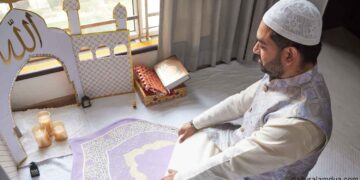
Walk into any home where the Fajr adhan has just finished and you will hear it. Step into a crowded Friday prayer and it will shake the walls. Sit beside a mother who just received news that her child is safe and she will say it through tears. Allahu akbar. These two short Arabic words travel with every Muslim from cradle to grave.
Muslims around the world repeat this phrase more than any other. We begin our five daily prayers with it. We greet the two Eids with it. We welcome newborns and farewell the deceased with it. We say allahu akbar when the rain finally falls after drought, when a lost wallet is returned, when a sick relative opens their eyes. It is joy, relief, hope and surrender all in one breath. No other words carry this much weight in the daily life of a believer. The Prophet Muhammad (peace and blessings be upon him) made it the opening key of ṣalāh and the seal of every moment that matters.
Here at Daily Salam Dua we live these words every single day. Once you feel their sweetness, you understand why the tongue never grows tired of them.


What Does “Allahu Akbar” Actually Mean? (Core Definition and Linguistic Breakdown)
Many people type allahu akbar meaning, allah hu akbar, allah ho akbar meaning, ala akbar, alakhbar meaning or alakbar meaning into search engines because they want the exact truth. The answer is simple yet endless: Allahu akbar means Allah is the Greatest. Nothing and no one is greater.
In Arabic, the word “akbar” is the highest degree of the root word “kabīr” (great). It is not just “great” and not just “greater”; it is the absolute greatest, beyond comparison. When we say allāhu akbar, we are declaring that Allah’s knowledge, mercy, power and strength, wisdom and benevolence are greater than everything the mind can picture and beyond all imagination. He is far greater than our problems, our plans, our fears and even our dreams.
Allahu Akbar in Arabic (Original Script with Tajweed Marks)
اَللَّهُ أَكْبَرُ
Allahu Akbar Transliteration (Roman English – Multiple Common Pronunciations)
Allāhu Akbar (classical Arabic pronunciation)
Allahu Akbar (common in many countries)
Allah hu Akbar (Pakistan, India, Bangladesh)
Allah ho Akbar (some regional dialects)
Word-for-Word Literal Translation Table
| Arabic Word | Transliteration | Literal Meaning | Notes |
|---|---|---|---|
| اَللَّهُ | Allāhu | Allah | The one and only God, proper name |
| أَكْبَرُ | Akbar | Greater / The Greatest | Superlative form – highest degree of greatness |
The Deep Spiritual Meaning of Allahu Akbar in Islam
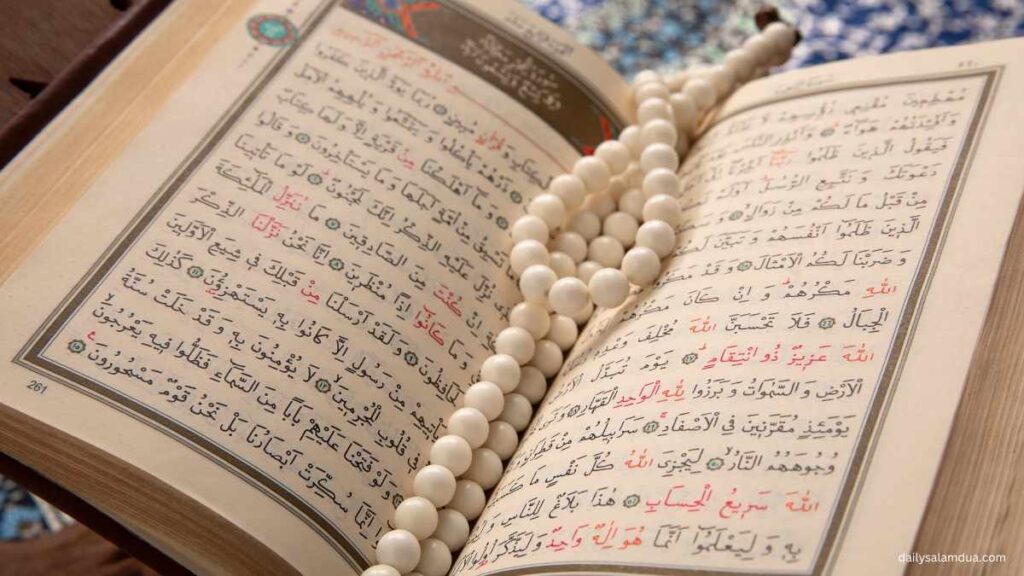
The beauty of allahu akbar is that it is never empty words. Every single time a Muslim says it with heart, the soul bows. We remember that the Creator of everything is bigger than the sky we stare at, bigger than the storm we fear, bigger than the happiness we chase. This phrase pulls the heart away from creation and attaches it to the Creator.
Allahu Akbar as the Ultimate Declaration of Tawhid
Allahu akbar is pure Tawhid in two words. There is no “ilah” (god) except Allah and nothing deserves greatness except Him. When we recite allahu akbar before bowing in prayer, we are saying: “Money is not the greatest, my desires are not the greatest, people’s opinions are not the greatest – only Allah is.” The Prophet (peace be upon him) taught that the opening takbir wipes away whatever was in the heart before it and makes the prayer belong only to Allah (SWT). That is why it is called Takbiratul Ihram – the takbīr that makes everything else forbidden except worship.
Why This Phrase Is One of the Best Forms of Dhikr
The Messenger of Allah (peace and blessings be upon him) said:
“The most beloved phrases to Allah are four: Subhānallāh, Alhamdulillāh, Lā ilāha illallāh, Allāhu Akbar. It does not matter with which of them you begin.” (Sahih Muslim 2137)
He also said:
“For everything there is a polish and the polish for the hearts is the remembrance (dhikr) of Allah. Nothing rescues from the punishment of Allah more than the dhikr of Allah.” They asked, “Not even jihad in the way of Allah?” He replied, “No, even if you strike with your sword until it breaks.” (Musnad Ahmad)
Every allahu akbar you whisper or shout cleans the heart and raises your rank. It is light on the tongue, heavy on the scale of deeds and loved by Allah more than we can imagine.
When Do Muslims Say “Allahu Akbar”? Daily and Special Occasions
If you spend one full day with a practising Muslim family, you will lose count of how many times allahu akbar is said. It starts before sunrise and ends after Isha. Here are the main moments this blessed phrase fills the air.
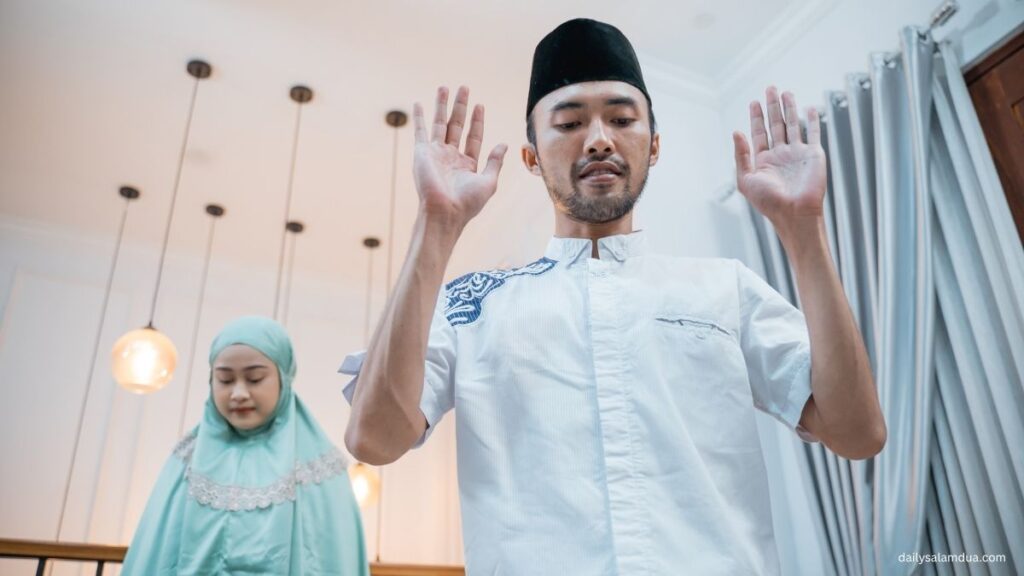
In the Five Daily Prayers (Salah) – The Takbirat of Islam
Seventeen times every single day, at minimum, every adult Muslim says allahu akbar aloud or softly in the five prayers. The first takbir opens the prayer. Then we say it when we move to ruku, when we rise, when we go to sajdah, when we sit – every change in position begins with allāhu akbar. The entire prayer is built around this phrase. It teaches us that only Allah’s greatness matters while we stand before Him.
Allahu Akbar During Eid al-Fitr and Eid al-Adha
From Maghrib the night before Eid until the Eid prayer, the takbīr rings through every street: Allāhu Akbar, Allāhu Akbar, Lā ilāha illallāh Allāhu Akbar, Allāhu Akbar, wa lillāhil-hamd
Children learn it by heart, men say it walking to the musalla, women repeat it while cooking sweets. The joy of Eid is incomplete without this loud celebration of Allah’s greatness.
Saying Allahu Akbar at the Moment of Birth and Death
The first sound a newborn Muslim hears is the adhan in the right ear, beginning with allahu akbar, allahu akbar. The parents pray that this phrase stays on the child’s tongue their whole life. When someone is leaving this world, loved ones gently remind them of the shahadah and close with allahu akbar so the soul departs hearing the truth it lived by.
In Times of Joy, Gratitude, Wonder and Victory
See the first drop of rain after months of drought? Allahu akbar. Your exam result comes better than expected? Allahu akbar. A lost child is found safe? Allahu akbar. The Muslim heart responds to every blessing with this phrase because every good thing comes only from the One who is greater than everything. Even when the early Muslims won a battle through Allah’s help alone, they raised allahu akbar as praise, not pride.
At Daily Salam Dua we invite you to make allahu akbar your companion every hour. Say it when you wake, when you eat, when you worry, when you smile. Let Allah truly become the Greatest in your heart and watch how peace fills your days. Allahu Akbar.
Allahu Akbar in Arabic, Urdu and Other Languages – How It Is Written and Pronounced
Travel from Morocco to Malaysia and you will hear the same heartbeat in every language. The tongue changes, the writing changes, but the soul says the same thing. Muslims have carried this phrase for fourteen centuries and every nation added its own colour to the pronunciation while keeping the meaning pure.
Allahu Akbar in Arabic (Official Script)
اَللَّهُ أَكْبَرُ
This is how it appears in the Quran, on the cover of every mushaf, on the walls of the Ka’bah and in the lines of every prayer mat. The letters never change because Allah chose this exact form for His praise.
Allahu Akbar in Urdu Script
اللہ اکبر
Walk through any bazaar in Karachi or Lahore and you will see these three words painted on rickshaws, printed on wedding cards, stitched on school badges and flying high on green flags every 14th of August. Children learn to write it before they can spell their own names properly.
Common Variations People Search For (allah hu akbar, allah ho akbar, ala akbar, alakhbar)
In the subcontinent people naturally say allah hu akbar or allah ho akbar because that is how the sound flows in Urdu and Punjabi ears. Text messages shorten it to allah akbar. Some type ala akbar or alakhbar when they are writing fast. In Turkey you hear “Allahu Ekber” with a soft “e”. In Indonesia it becomes “Allah Akbar”. Bosnian brothers say “Allahu Ekber”. West African Muslims stretch it to “Allahu Akbarou”.
A sister in England might write “Allah hu Akbar” in her diary. Every pronunciation carries the same love and the same declaration that Allah is greater than everything we know and everything we will ever know.
The Virtues and Rewards of Saying Allahu Akbar Frequently
The companions would compete in saying allahu akbar because they knew each one was a treasure stored for the Hereafter. The Prophet (peace and blessings be upon him) smiled whenever he heard it and taught that it is never wasted.
Hadith: “The most beloved phrases to Allah are four…” (Exact wording from Sahih Bukhari)
The Messenger of Allah (peace and blessings be upon him) said: “Take to glorifying Allah with SubhanAllah, declaring His greatness with Allahu Akbar, praising Him with Alhamdulillah and declaring His oneness with La ilaha illallah, for they ascend to the sky like plants with good roots and branches that remain.” In another narration: “The most beloved speech to Allah consists of four: SubhanAllah, Alhamdulillah, La ilaha illallah and Allahu Akbar. It does not matter which one of them you start with.” (Sahih Bukhari 6682, Sahih Muslim)
Angels Surround the One Who Says Allahu Akbar with Sincerity
When a servant sits after salah and keeps moving his lips with allahu akbar the angels form rows around him. They answer every takbir with praise and ask Allah to raise his rank. The recording angels never stop writing rewards as long as the tongue keeps moving. Some scholars say the angels love this dhikr so much that they delay leaving the gathering until the person finishes.
Allahu Akbar Removes Worry and Brings Barakah
Ali ibn Abi Talib (may Allah be pleased with him) said: “When something distressed me I would say Allahu Akbar many times and the distress would leave.” Another companion complained to the Prophet about debt and he taught him to say allahu akbar one hundred times every morning and evening. The man returned weeks later saying Allah had opened ways he never imagined. The phrase does not change the situation overnight but it changes your heart overnight and then Allah changes the situation.
How to Make “Allahu Akbar” Part of Your Daily Dhikr Routine
You do not need a special place or a long beard. Just a sincere tongue and a few quiet moments are enough to turn ordinary days into gardens of reward.
Simple Morning and Evening Routine Using the Takbir
After Fajr stay seated on your prayer mat and say allahu akbar one hundred times slowly while counting on your fingers. Many companions did exactly this and found their whole day protected. After Asr or Maghrib repeat the same. If you are busy in the kitchen or stuck in traffic say it silently. Ten minutes in the morning plants barakah in your work and ten minutes in the evening plants peace in your sleep.
Combining with Other Great Phrases: “Allahu Akbar, Allahu Akbar, La ilaha illallah”
The Prophet (peace and blessings be upon him) taught the full beautiful chain after every prayer:
Allahu Akbar, Allahu Akbar, La ilaha illallah
Allahu Akbar, Allahu Akbar, wa lillahil hamd
He told one companion to never leave these words after salah and promised that his worries would disappear and his needs would be fulfilled. Say it three times after every fard prayer. Say it ten times when your heart feels heavy. Say it while walking to the shop or waiting for the bus. Thirty seconds of these words keep the connection with Allah alive until the next prayer.
Common Misconceptions and the True Beauty of the Takbir
Some people only know allahu akbar from television and think it is a shout of war. They never heard it from a father welcoming his newborn daughter or from a grandmother receiving news that her son is safe. They never stood behind an old man in taraweeh whose soft allahu akbar made everyone cry from its sweetness.
This takbir is the sound of relief when the rain finally falls. It is the sound of gratitude when the doctor says “everything is fine”. It is the sound of hope when the night feels too long. It has always belonged to love and trust long before anyone twisted it.
Frequently Asked Questions
1. What is the meaning of Allahu Akbar?
Allahu Akbar means Allah is the Greatest. It tells us that Allah is greater than anything we can imagine or face in life.
2. What does Allahu Akbar mean in Islam?
In Islam allahu akbar is the greatest reminder of Allah’s power and mercy. I feel my worries shrink every single time I say it with my heart.
3. How to pronounce Allahu Akbar correctly?
Say Al-laa-hu Ak-bar slowly with love or naturally say Allah hu Akbar the way most Muslims do daily. Both ways reach Allah and bring the same peace.
4. When do Muslims say Allahu Akbar?
Muslims say allahu akbar to start prayer, celebrate Eid, welcome newborns, bid farewell to the deceased and thank Allah for every blessing. I say it whenever something beautiful or difficult happens and it changes everything.
5. How to write Allahu Akbar in Arabic?
اَللَّهُ أَكْبَرُ
This is the exact blessed form written in the Quran and carved on every mosque around the world.
6. Is Allahu Akbar in the Quran?
Yes the phrase allahu akbar appears in verses like Surah Al-Baqarah 185 during Ramadan and Surah Al-Hajj 37 during sacrifice. Allah Himself teaches us to say it in these moments.
7. Why do Muslims say Allahu Akbar in prayer?
We say allahu akbar to leave the whole world behind and stand only for Allah. Every movement from standing to bowing begins with it because nothing should be greater than Him in salah.
8. What is the difference between Allahu Akbar and SubhanAllah?
Allahu akbar declares Allah’s greatness and size while SubhanAllah declares His complete perfection and purity. I say both one after another because they fill my heart together perfectly.
9. Can non-Muslims say Allahu Akbar?
Yes anyone can say allahu akbar because it is pure praise of the One Creator. Many people entered Islam the moment these sweet words touched their tongue.
10. What is the takbir and when is it said?
The takbir is saying allahu akbar. We say it in every prayer, on Eid mornings, after salah, during sacrifice, when starting journeys and whenever the soul wants to remember Allah’s greatness.
Conclusion: Let Allah Truly Be the Greatest in Your Heart and Life
Begin right now. Say allahu akbar once slowly and feel how your chest expands. Say it again when you finish reading this line. Say it tomorrow every time you remember. Let it become the answer to every question your heart asks.
The world will keep trying to become great in your eyes but only Allah deserves that place. Give it to Him with every breath and watch how everything else falls into place.
At Daily Salam Dua we wake up with these words and sleep with these words. They are the beginning of every dua and the end of every worry. Come live them with us. Say it one more time. Allahu Akbar. Allahu Akbar. Allahu Akbar. La ilaha illallah. Allahu Akbar wa lillahil hamd.
Find more on our Facebook, YouTube, Pinterest and Instagram!